Provengo dal Québec, la regione francofona del Canada. Originario di Québec City, vivo a Montreal dove ho conseguito la laurea di primo livello in storia. Attualmente, presso l’università di Montreal, frequento il master in studi classici, con indirizzo storia romana. Il focus della mia ricerca si concentra sull’organizzazione delle legioni romane ai tempi della costruzione del Vallo di Adriano. Da bambino leggevo anche di notte! Nonostante i rimproveri ricevuti per questo, amo molto leggere. Sono rimasto un nottambulo in tutto e per tutto… a mezzanotte l’olio della mia lampada brucia ancora ad illuminare le mie letture accademiche. Nonostante ciò, la letteratura rimane una delle passioni della mia vita. Condividerò molto volentieri con voi i suggerimenti di lettura sulle tematiche proposte nei prossimi mesi… Crede che l’apertura mentale e la giovinezza del cuore siano fondamentali per ogni vera comprensione e apprezzamento letterario. Click here…

Con Philippe Vallerard… Music and the mind

Il prodigio di "Neurogamia"... attraverso la musica il nostro cervello "si sposa"
.
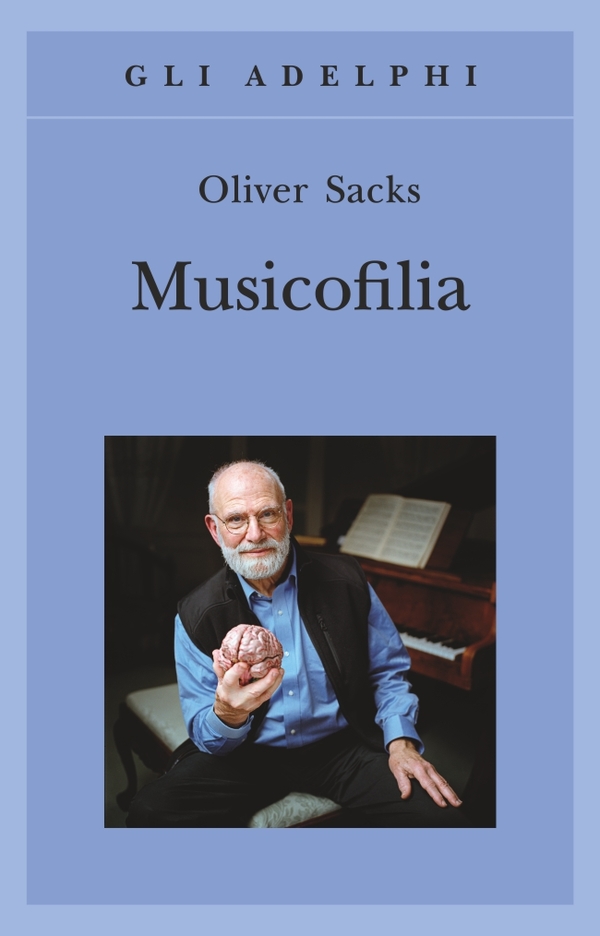
Philippe Vallerard ci introduce alla visione di un video che ha avuto molto successo in Canada, ispirato dal un libro di Oliver Sack Musicophilia, dove l’autore racconta una sua esperienza professionale ed umana. Un giorno, a New York, Oliver Sacks partecipa all’incontro organizzato da un batterista con una trentina di persone affette dalla sindrome di Tourette: “Tutti, in quella stanza, sembravano in balia dei loro tic: tic ciascuno con il suo tempo. Vedevo i tic erompere e diffondersi per contagio”. Poi il batterista inizia a suonare, e tutti in cerchio lo seguono con i loro tamburi: come per incanto i tic scompaiono, e il gruppo si fonde in una perfetta sincronia ritmica. Questo stupefacente esempio, spiega Sacks, è solo una particolare variante del prodigio di “neurogamia”, che si verifica ogniqualvolta il nostro sistema nervoso “si sposa” a quello di chi ci sta accanto attraverso il medium della musica. Presentando questo e molti altri casi con la consueta capacità di immedesimazione, Sacks esplora la “straordinaria forza neurale” della musica e i suoi nessi con le funzioni e disfunzioni del cervello. Dai misteriosi sogni musicali che ispirarono Berlioz, Wagner e Stravinskij, alla possibile amusia di Nabokov, alla riscoperta dell’«enorme importanza, spesso sottostimata, di avere due orecchie»: ogni storia cui Sacks dà voce illumina uno dei molti modi in cui musica, emozione, memoria e identità si intrecciano, e ci definiscono.
.
Music and the mind
by Philippe Vallerard
Music is without a doubt plays a significant part in many people’s life and can create significant memories about events or people. We create good memories and associate certain feelings ranging from happiness to sadness when we listen to certain songs. But after listening to 2009 documentary Musical Minds which is itself based on 2007 book Musicophilia written by neurologist Oliver Sacks we can also conclude that music doesn’t stop affecting us there. It also shapes our mind. The documentary explores the stories of many people affected by mental problems be it Alzheimer, Tourette’s or dementia and the effect music has on their brain.
Thus, the documentary shows how the brain answers to music and how that could be helped to treat certain forms of neurological and physical disorders. Matt who is suffering from Tourette’s can control and reduce its symptoms by playing the drum. Derek whose blindness does not stop from being a pianist. Music allows him to surpass his physical condition. The documentary thus shows how much the human mind answers to music on a primal level. We have responses to pitch, tone, volume and rhythm and such before we even know the meaning of these words.
Understanding all of these components demands many parts of the brain to work simultaneously and science is just starting to try to understand how it works. These findings suggest that music could be used to help people suffering from dementia and Alzheimer. It would allow them to reconnect with the people around them and diminish the moodiness generally associated with this terrible disease.
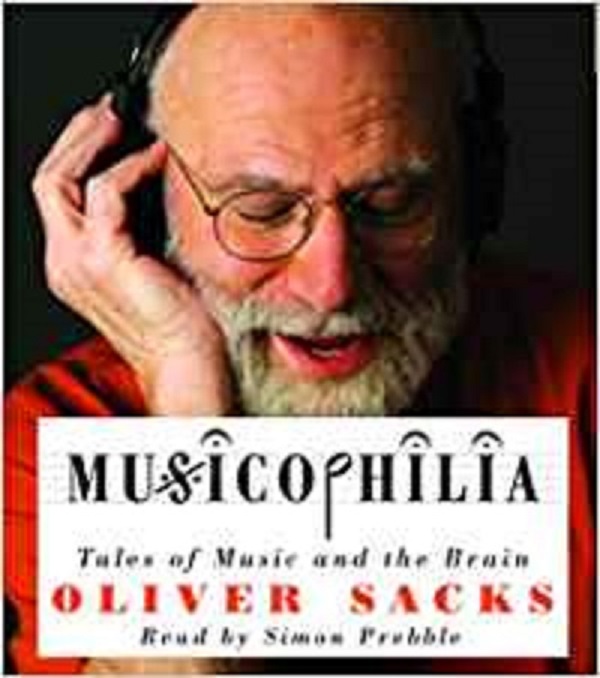
Even in the worst case of Alzheimer Oliver Sacks claims that they will still respond to a familiar song and can regain their identity of when they heard their song and temporarily regain their lucidity. Music can be used to recover personal memories.
Music is embedded in our mind more deeply than other memories. Many biologists believe that music on an evolutionary scale was essential in our ability to function as human. History would certainly not disagree that music has played a big role in cultural history as far back as antiquity which would lean credibility to the biologist’s beliefs.
In the end I recommend watching this documentary because it is fascinating to try to understand how the brain works and how music makes it react to certain things.
It is certainly interesting if not poetic to see that in a way we can forget things but our brain refuses to let go of the feelings that are linked to these memories. Instinct is clearly something strong and human feelings are not something we can easily discard no matter what happens to us. I find this beautiful and I suggest you to learn about this beautiful part of human nature.
Per saperne di più sull'argomento...
.
«Il rapporto tra il cervello e gli organi uditivi, tra questi e le emozioni, la relazione tra eccitazione vitale o depressione ferale e musica, la capacità dell’organismo di autoriparare le proprie ferite neurologiche potenziando alcune abilità per compensare quelle carenti, il rapporto tra la memoria e l’organizzazione del ritmo, sono alcuni dei temi di Sacks: ma, come sempre, quello che rende unici i suoi casi è il fatto che essi sono narrazioni di vite … Da Musicofilia affiorano temi che sembrano provenire dalle meditazioni di un pitagorico o di un monaco esperto di gregoriano, ma espresse e lette nella lingua delle neuroscienze». (Giuseppe Montesano)
.
ARCHIVIO
.
Con Philippe Vallerard… Dire Fare Gustare: Fast food v/Slow food clicca qui
Con Philippe Vallerard… Bullying “Too Scared For School” clicca qui
……………
L’UDITO… per accogliere la complessità della vita clicca qui
torna alla pagina iniziale clicca qui
.