“GIANNI QUARANTA. VISIONS”. ITALIAN EXCELLENCE IN THE WORLD

“GIANNI QUARANTA. VISIONS” (En)

“Gianni Quaranta represents the Italian genius in all its aspects: from the ability to move in a global horizon to the loyalty to his national roots, from the aesthetic dimension to the technical one, from the enchanting force of Art to the communicative practicality of the market``. (Prof Fabio Finotti, Director of the Italian Cultural Institute of New York)
I meet Maestro Gianni Quaranta returning from a trip to New York where the Italian Cultural Institute wanted to pay homage to the great Italian artist known throughout the world, with an anthological exhibition entitled “GIANNI QUARANTA. VISIONS”. (Ida Renzicchi)
Good morning Maestro. How was your stay in the United States?
Hardly well. It was a short but intense stay. I saw friends and acquaintances, dear to me, who work in the world of entertainment and I spent fantastic moments with them.
What meaning does this exhibition dedicated to you have for you?
First of all, I am honored by the fact that the Italian Cultural Institute wanted to give me this honor and for this I thank it, particularly the director, Prof. Fabio Finotti, a person of incredible culture.

The Director of the IIC Prof. Fabio Finotti, Maestro Gianni Quaranta and the Consul General of Italy in New York, Min. Plen. Fabrizio Di Michele (Photo credit: Vito Catalano)
However, what makes me truly proud is the possibility of showing others, in particular I am referring to the very young, that a profession like mine has no boundaries and can freely range across various fields. Each of them will inevitably be affected by the background deriving from the other sectors, creating interconnections and contaminations that will make the result interesting and original. An example? Giving a cinematic setting to a theatrical work, or vice versa. But there are many examples I could cite. The exhibition itself, with around five hundred images as well as numerous videos, is an expression of creativity. It is in fact divided into six sections, that is, ideal distinctions between various fields of art, from cinema to theatre, to advertising, to architecture and so on, but even if each single image represents a specific work in itself, at the same time, all together they have the effect of a sort of puzzle, or collage, where the resulting unicum is something further and evolved compared to the individual components.
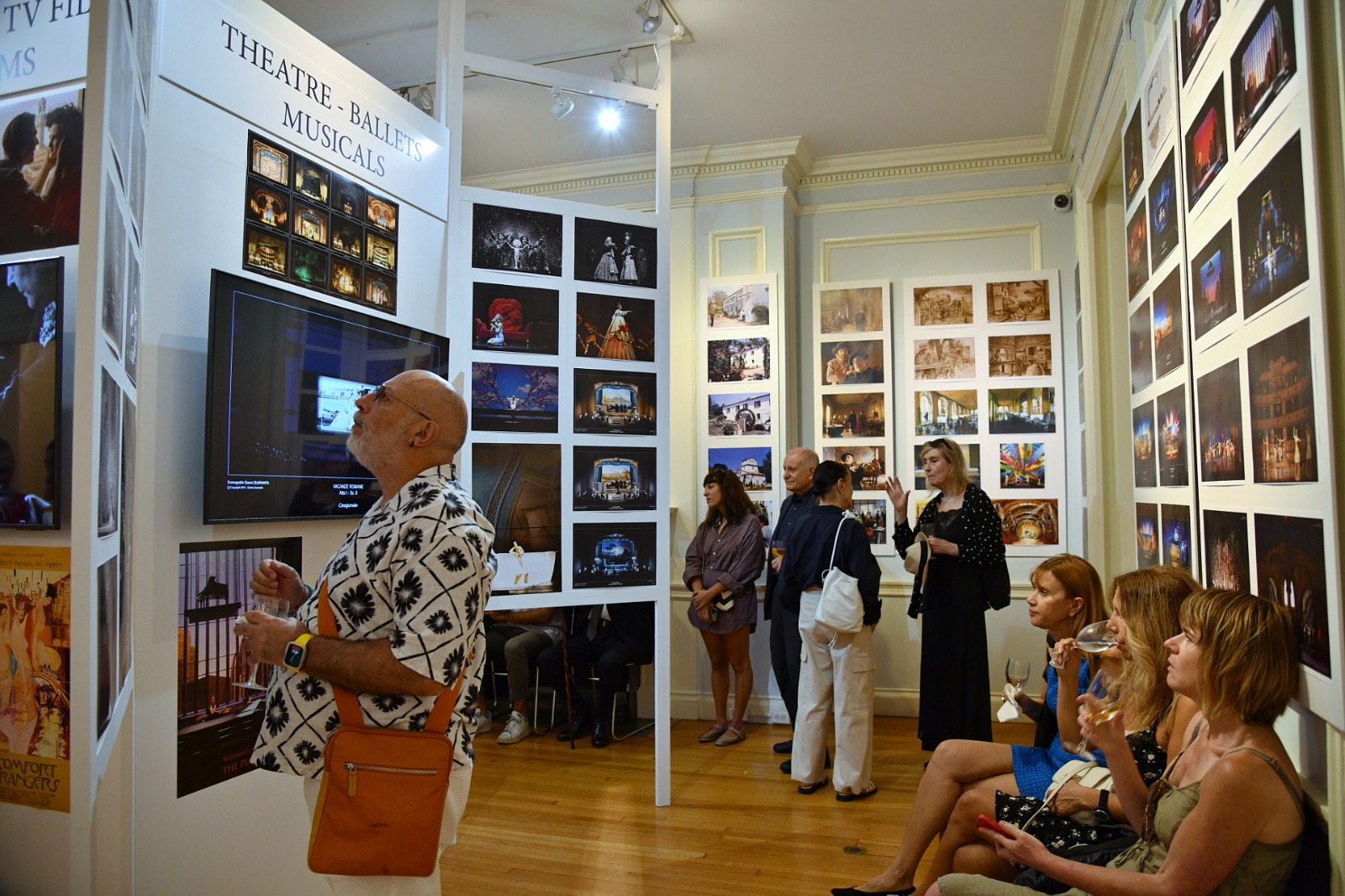
(Photo credit: Vito Catalano)
What sensations did you feel when retracing your artistic life through the exhibition?
I felt of having traveled a fantastic path that I still intend to travel for a long time. I have too much passion for what I do to say enough is enough. My work is part of me.
This was also an opportunity to see your American friends again.
Yes, as I was saying, I spent pleasant moments with John Turturro, actor and director, Brandon Cole, writer and screenwriter, Michael di Jacomo, the director with whom, in New York, a few years ago, I staged “Imperfect Love”… just to name a few ones. I define them as “the intellectuals of Brooklyn”, with them I feel comfortable discussing theatre, cinema, authors, exhibitions but also current events. And then, I was happy to see my friend again, the great dancer Alessandra Ferri. At the same time, the seeds were born for many new friendships with very intellectually stimulating people.
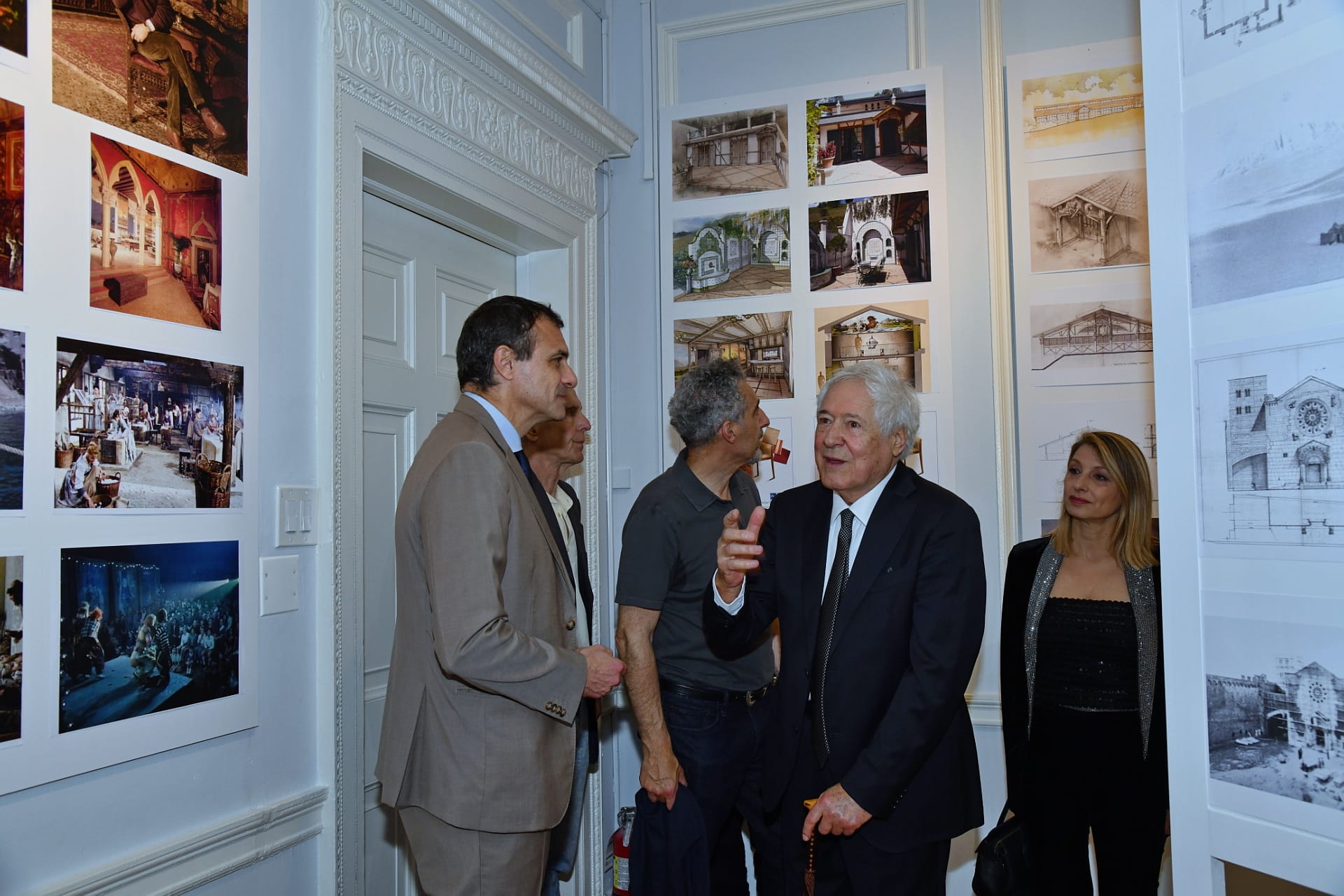
Maestro Gianni Quaranta and, from left, the Italian Consul General in New York Min. Plen. Fabrizio Di Michele, the writer Brandon Cole, the actor John Turturro, the curator of the exhibition Giuliana Poleggi Quaranta (Foto credit: Vito Catalano)
Maestro, you are considered a “Renaissance artist”, do you recognize yourself in this definition?
Yes, I recognize myself in it. I say that we Italians have Art in our DNA. I live for Art and, like a Renaissance artist, I cannot help but look at Art in all its forms of expression because I am absolutely convinced that one completes and enriches the other. The Italian Renaissance was a fantastic period and, although constantly projected towards the future, I draw inspiration from the masters who preceded us. We must recognize that they have taught us and learn from them… The scenography of my films has often been influenced by the paintings of great authors or by entire pictorial movements. I am convinced that from the connection of the classic with the modern we can arrive at new and singular artistic expressions. Art does not fear the passage of time. It is always current. Beauty, true beauty, is objective: a work by Raphael, Leonardo, or Michelangelo cannot be questioned. It’s Art. A painting like “Saint Francis in the Desert” by Giovanni Bellini leaves you breathless.
For example, referring to the above, Andrea Mantegna’s experiments on perspective and spatial illusion, which strongly influenced the Italian Renaissance, are still a point of reference and object of study. For me it is very important. I’m talking to you about Mantegna because I consider this artist to be decidedly innovative in his ideas but strongly linked to the classics. As you know, in my house, the painting on the ceiling of my living room is clearly inspired by the famous oculus of his Camera Picta.
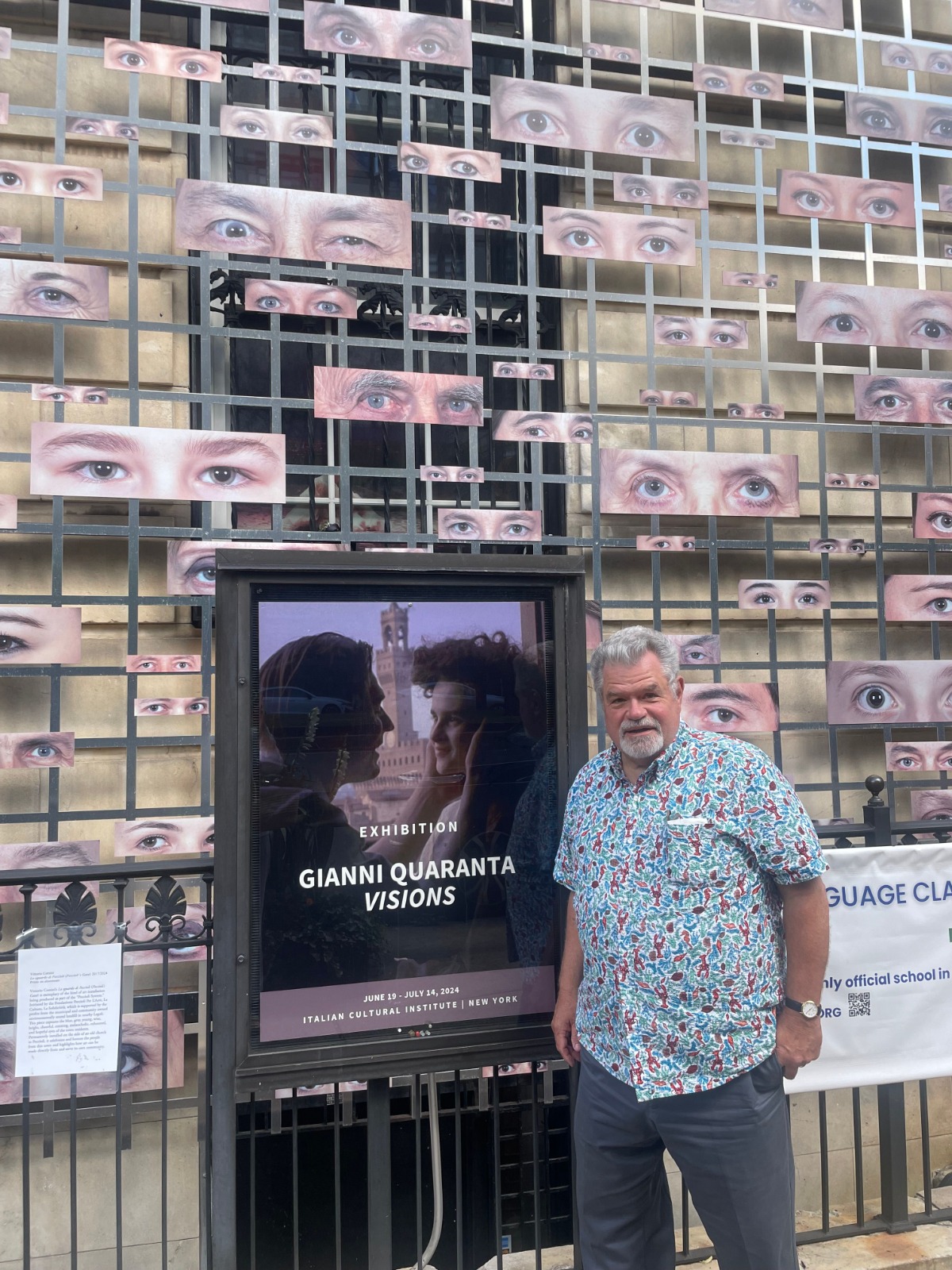
The actor Michael Badalucco (Photo credit: Brenda & Michael Badalucco)
I saw, in your house, some degree theses on your activity. What feeling did being the subject of a degree thesis give you?
It was gratifying to be the subject of study. At the same time, I thought that perhaps I had done something worth looking into further.
We know that you, with great generosity, often avail yourself of the collaboration of young people who are approaching the world of Theatre, Opera and Cinema for the first time. What is your relationship with them?
The natural one from teacher to student. I try to teach them a method of approaching things, and this is very important… and not just in the profession.
Do you think that enough is being done so that new generations oriented towards the future do not forget their roots at the same time? Do you have any proposals in this regard?
I don’t know if our past is taught enough. What is certain is that the future has its basis precisely in something that has already happened and which, as far as Italy is concerned, the whole world recognizes. Innovation as an end in itself makes no sense. Instead, it finds meaning when applied to something. Well, that something is our experience, what has already been achieved.
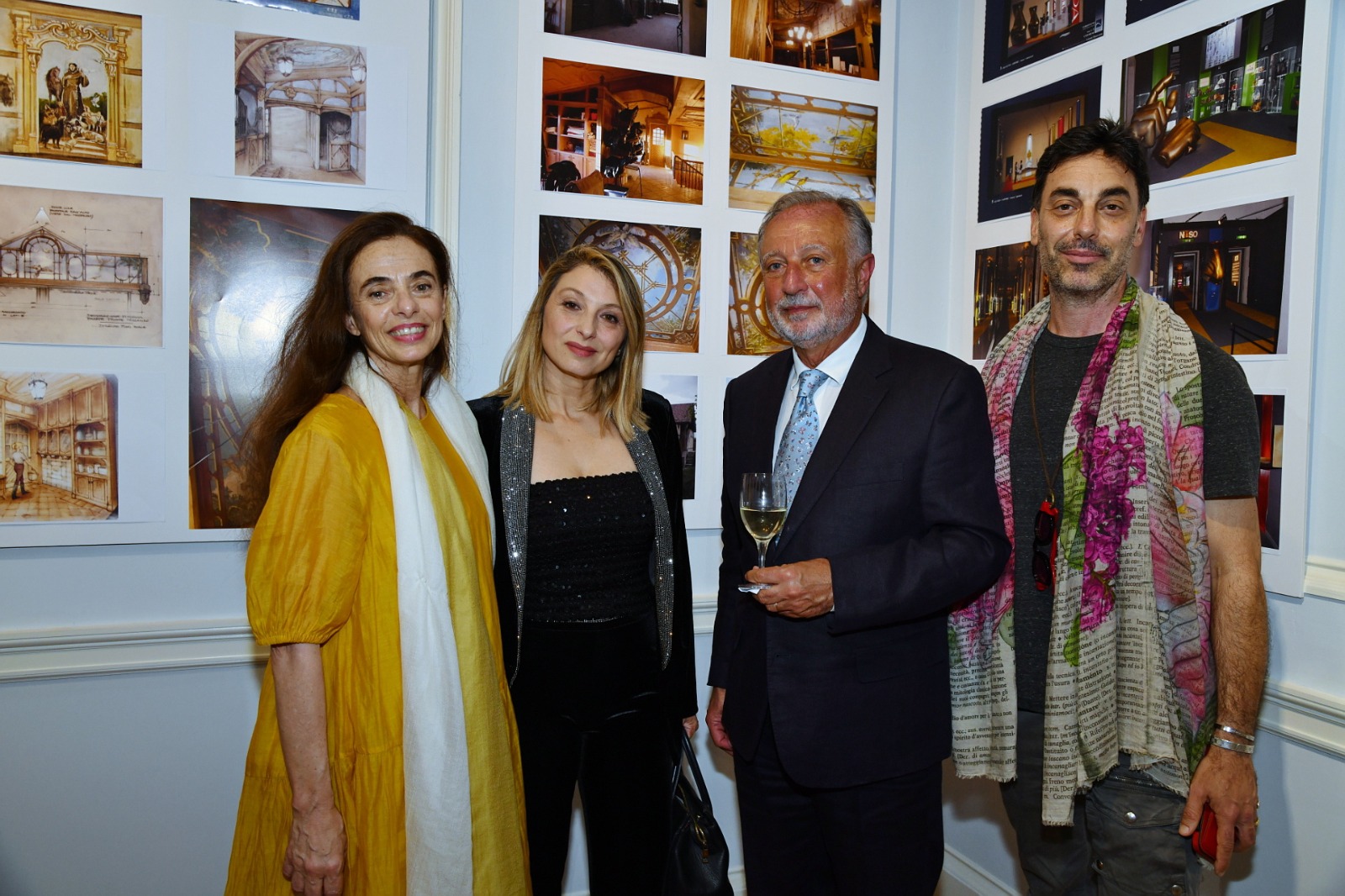
The dancer Alessandra Ferri, Giuliana Poleggi, the Director of the IIC Prof. Fabio Finotti, the choreographer Marco Pelle (Foto credit: Vito Catalano)
The greatest artists have always had a woman at their side. For you, how important is the collaboration of your wife Giuliana who is always at your side?
My wife’s collaboration is fundamental. She supports me in everything and when I have doubts, difficulties in making choices, it is she who I turn to for advice and it is always her who clearly helps me decide the right path to take.
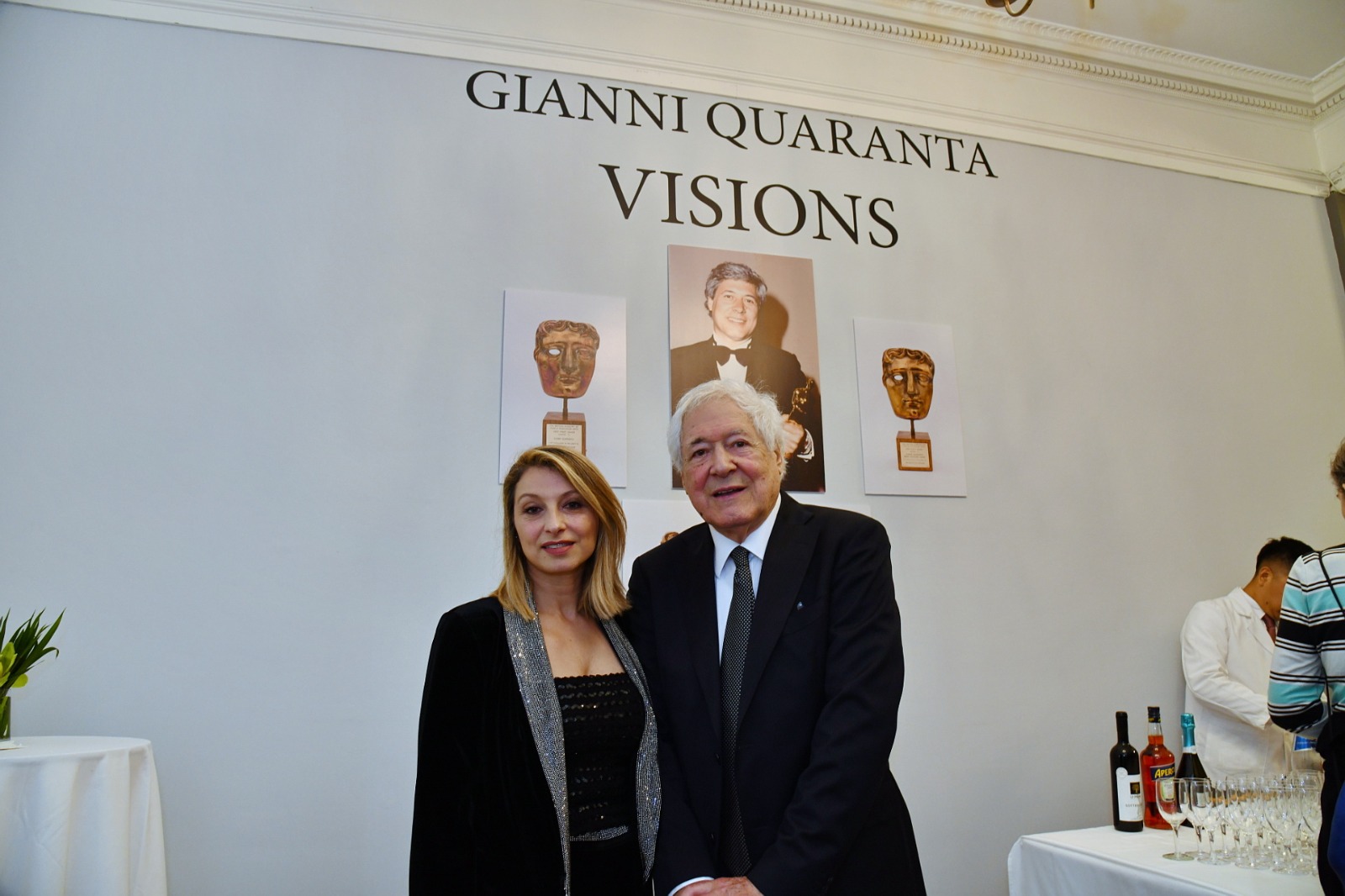
Maestro Gianni Quaranta with his wife Giuliana Poleggi, the curator of the exhibition (Foto credit: Vito Catalano)
I know that you are a tireless person and that you always have projects underway. What will you do after the exhibition?
I plan to make an international film on a true story that happened during the Second World War and another film on psychoanalysis, but I can’t say anything else: everything is still absolutely confidential.
When will you take time off?
Never. I get bored in what is commonly called rest. I always have the desire to do, to think, to create something… it’s in my nature… so, basically, for me, working is not at all burdensome, although very demanding.
On behalf of Geapolis, I offer the Maestro my heartfelt congratulations for his New York success and I act as spokesperson to thank him for his generous availability and to express, once again, all our respect for his prestigious career.
Rome, 28 June 2024
Ida Renzicchi
(Translated from Italian by the author)
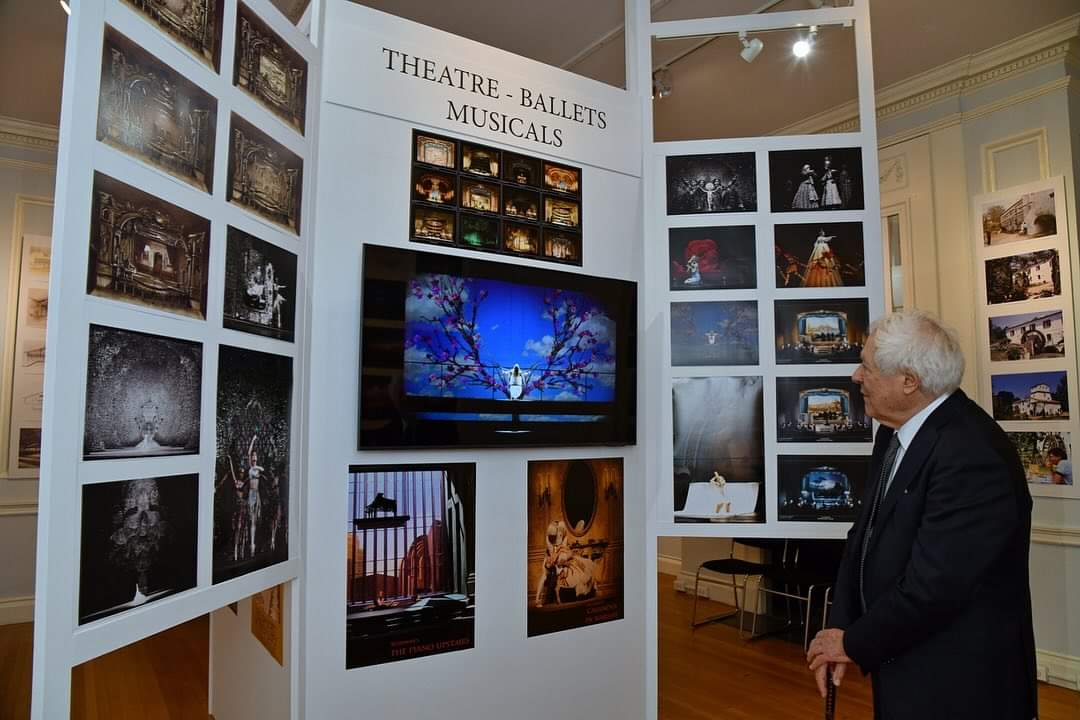
(Foto credit: Vito Catalano)
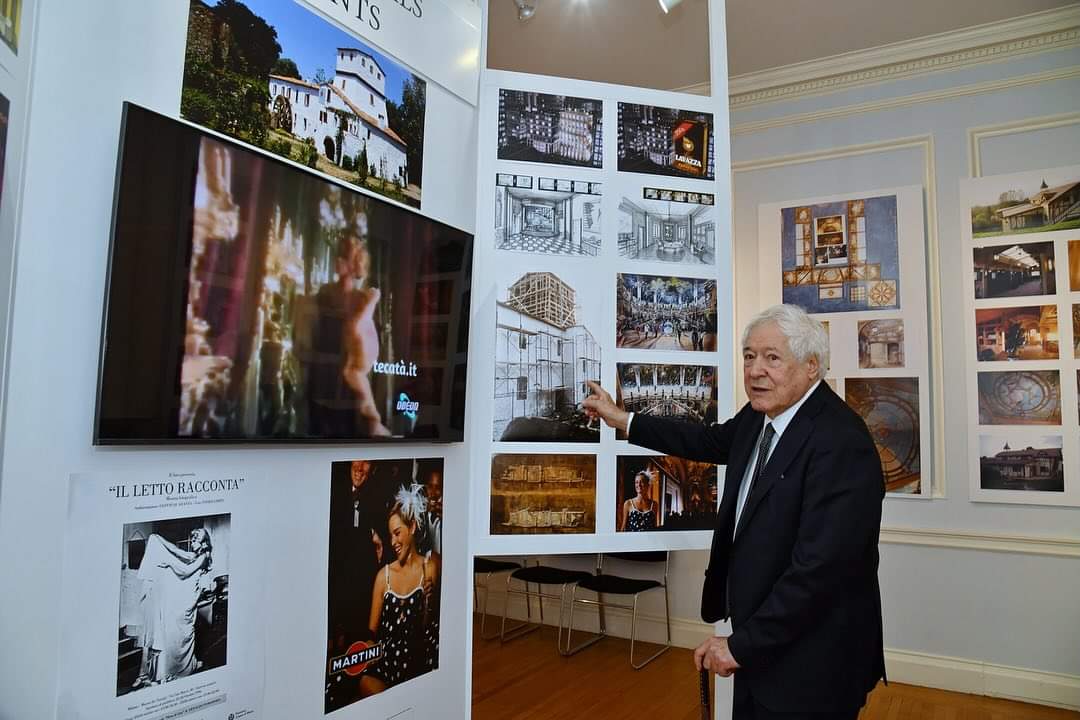
(Foto credit: Vito Catalano)
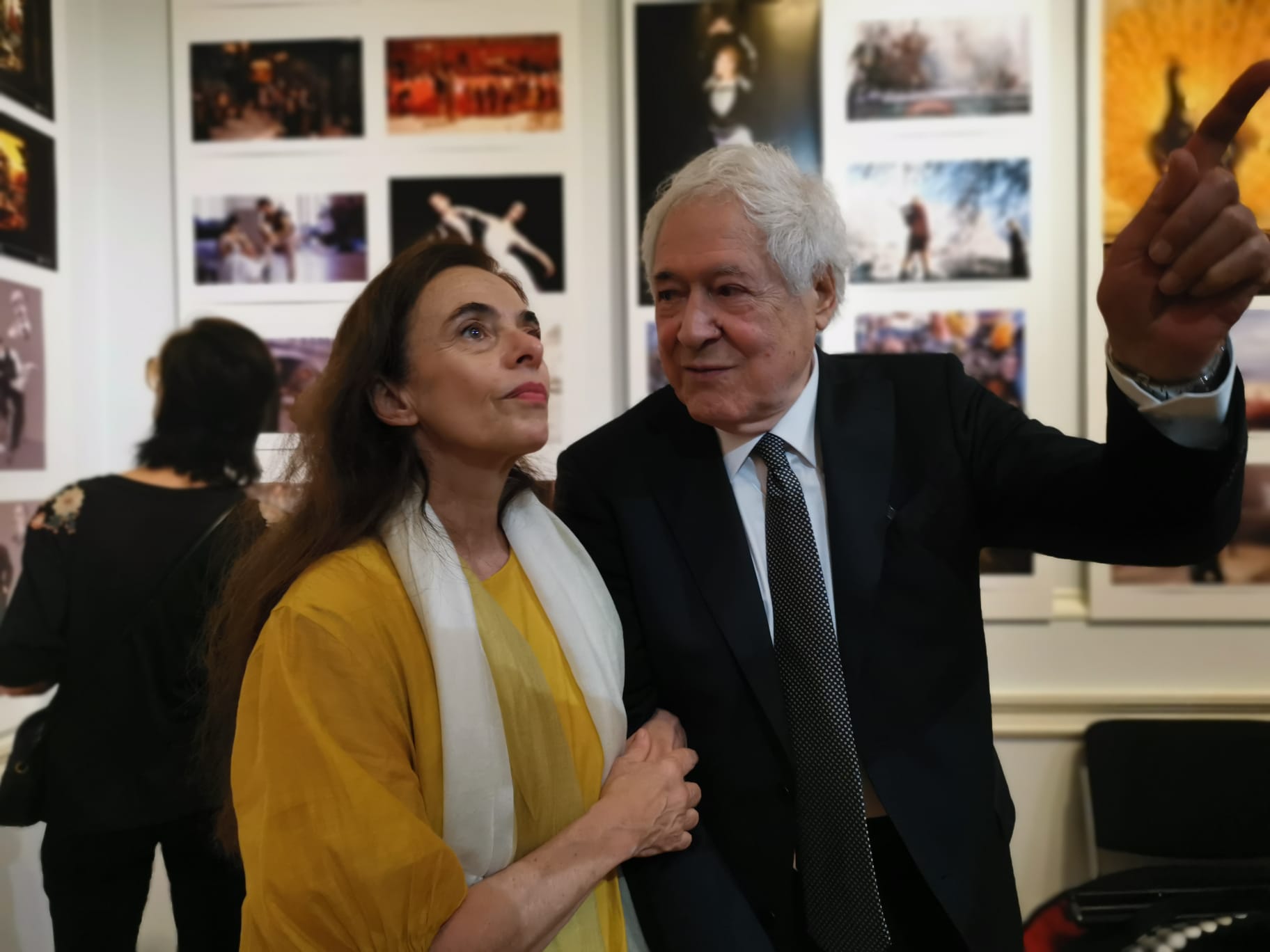
Maestro Gianni Quaranta with the dancer Alessandra Ferri (Foto credit: Vito Catalano)
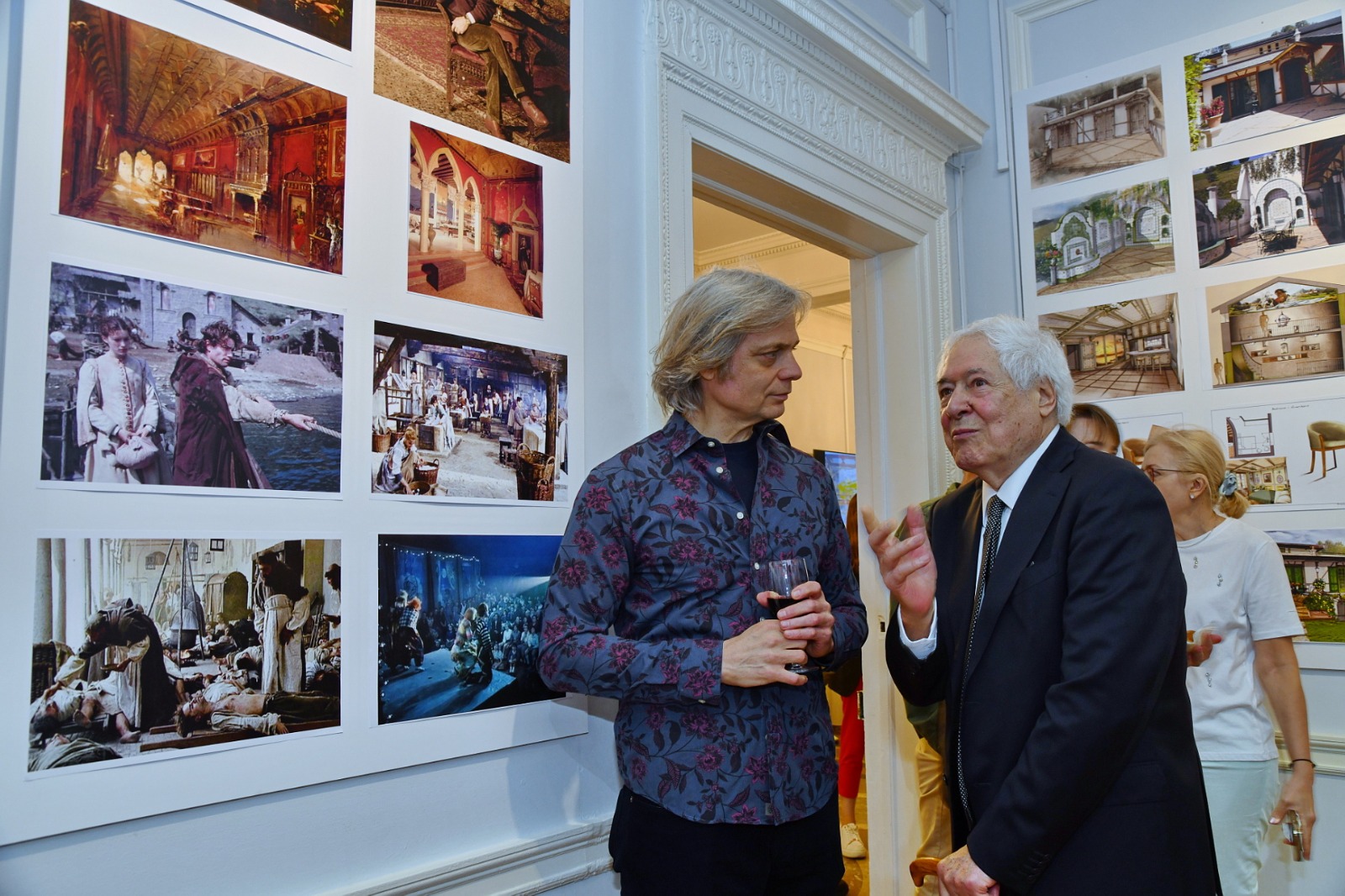
Maestro Gianni Quaranta with director Michael Di Jacomo (Foto credit: Vito Catalano)
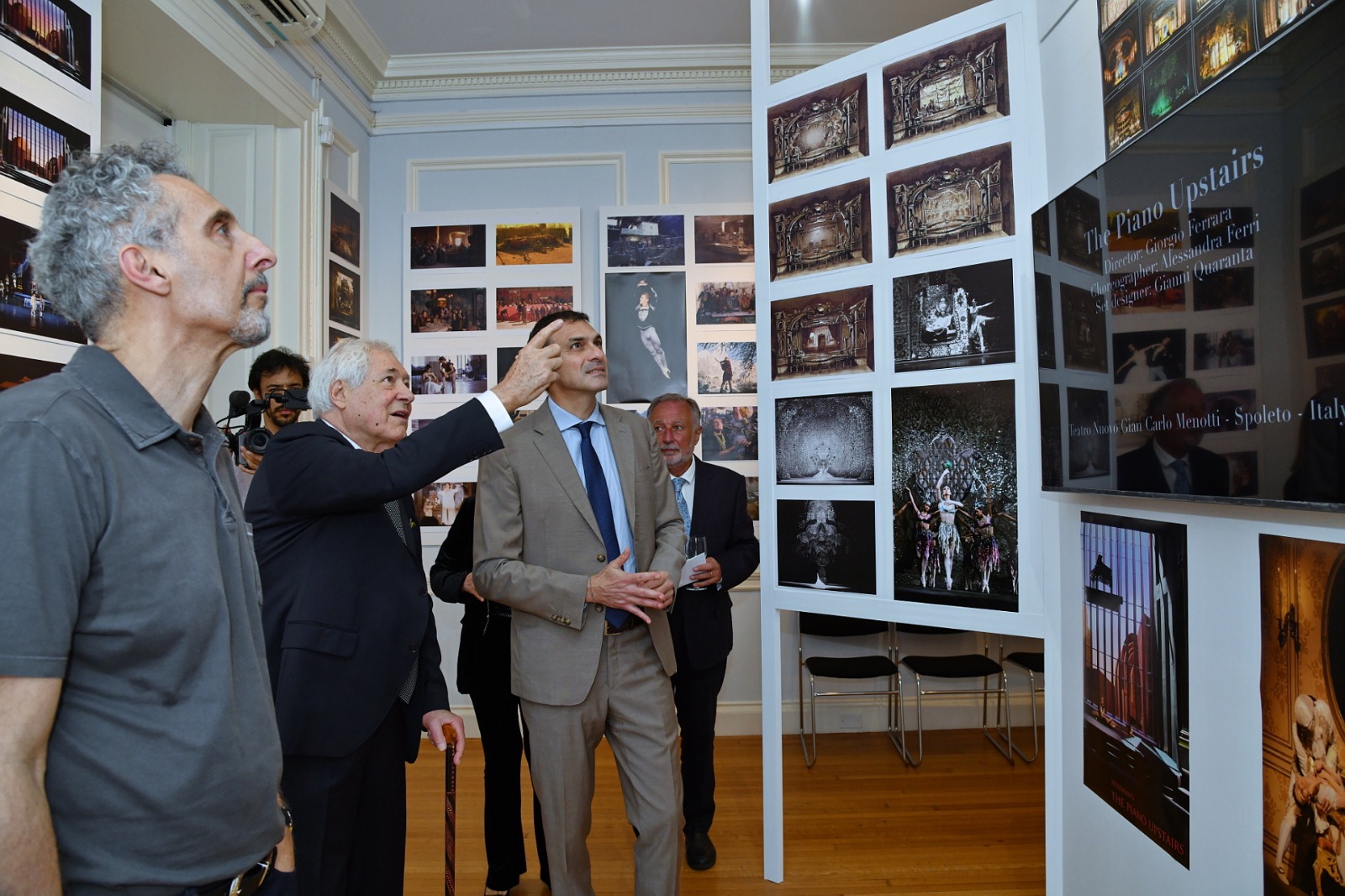
Maestro Gianni Quaranta with the actor John Turturro (Foto credit: Vito Catalano)
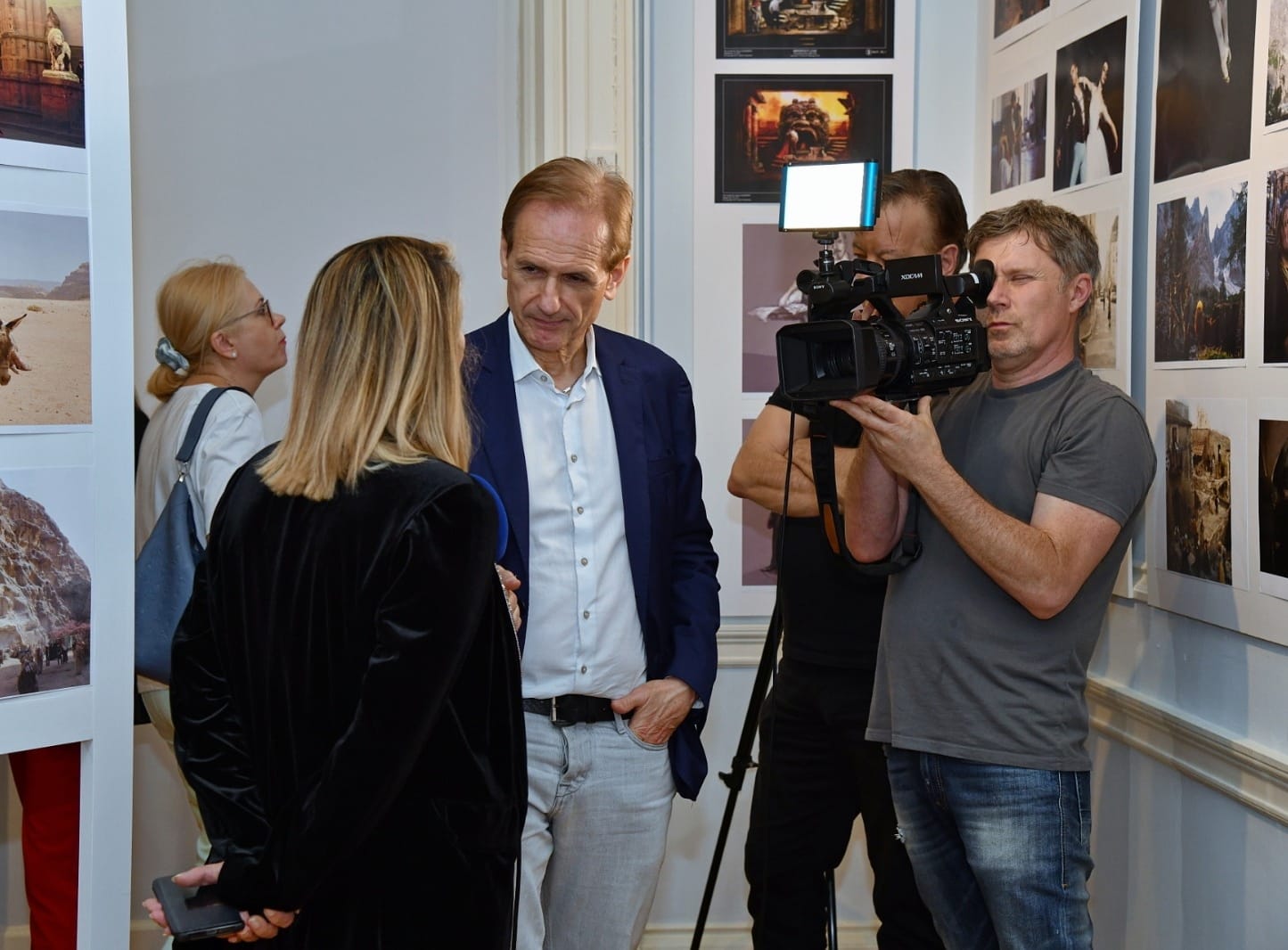
The head of RAI correspondence office in the United States Claudio Pagliara (Foto credit: Vito Catalano)
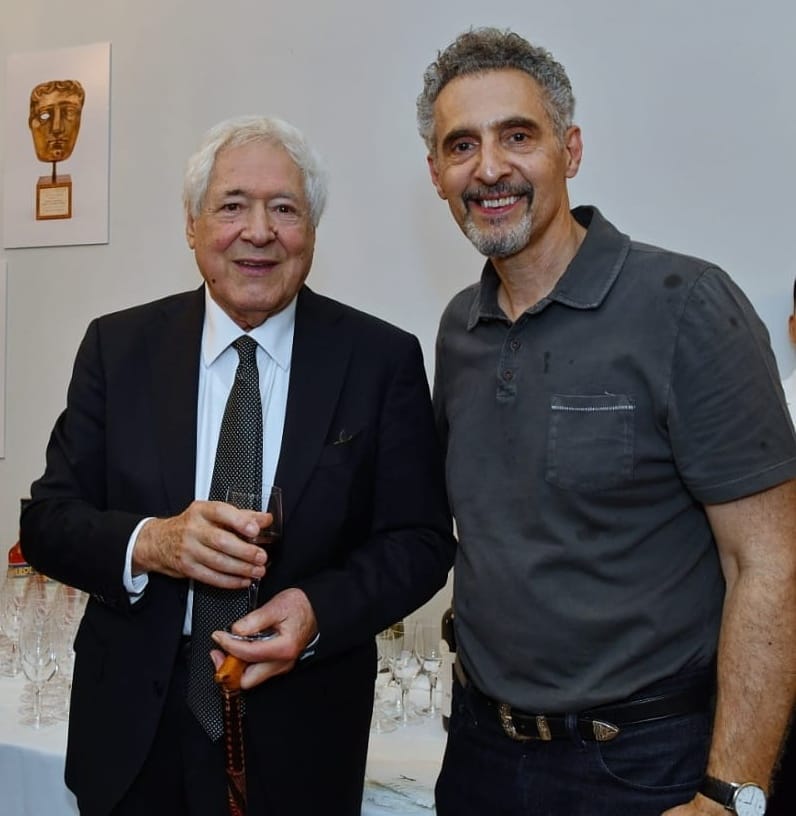
Maestro Gianni Quaranta with the actor John Turturro (Foto credit: Vito Catalano)
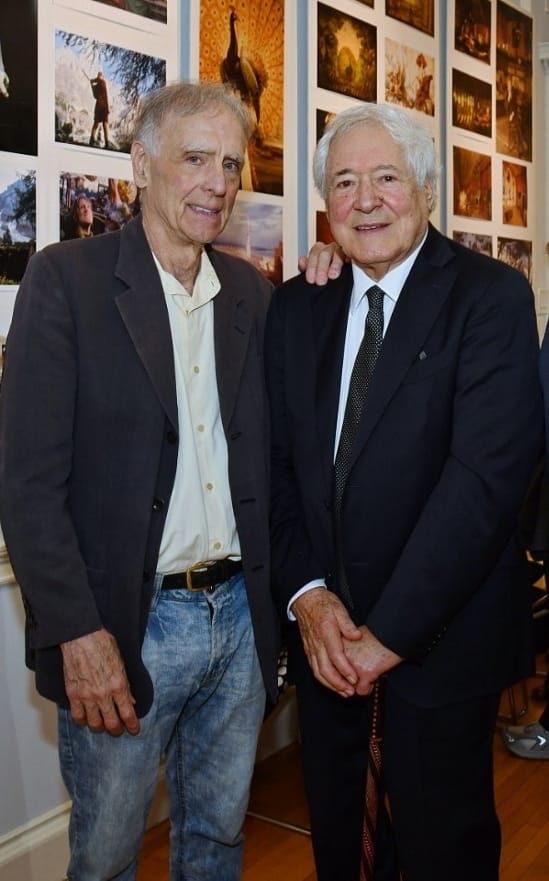
Maestro Gianni Quaranta with the writer Brandon Cole (Foto credit: Vito Catalano)
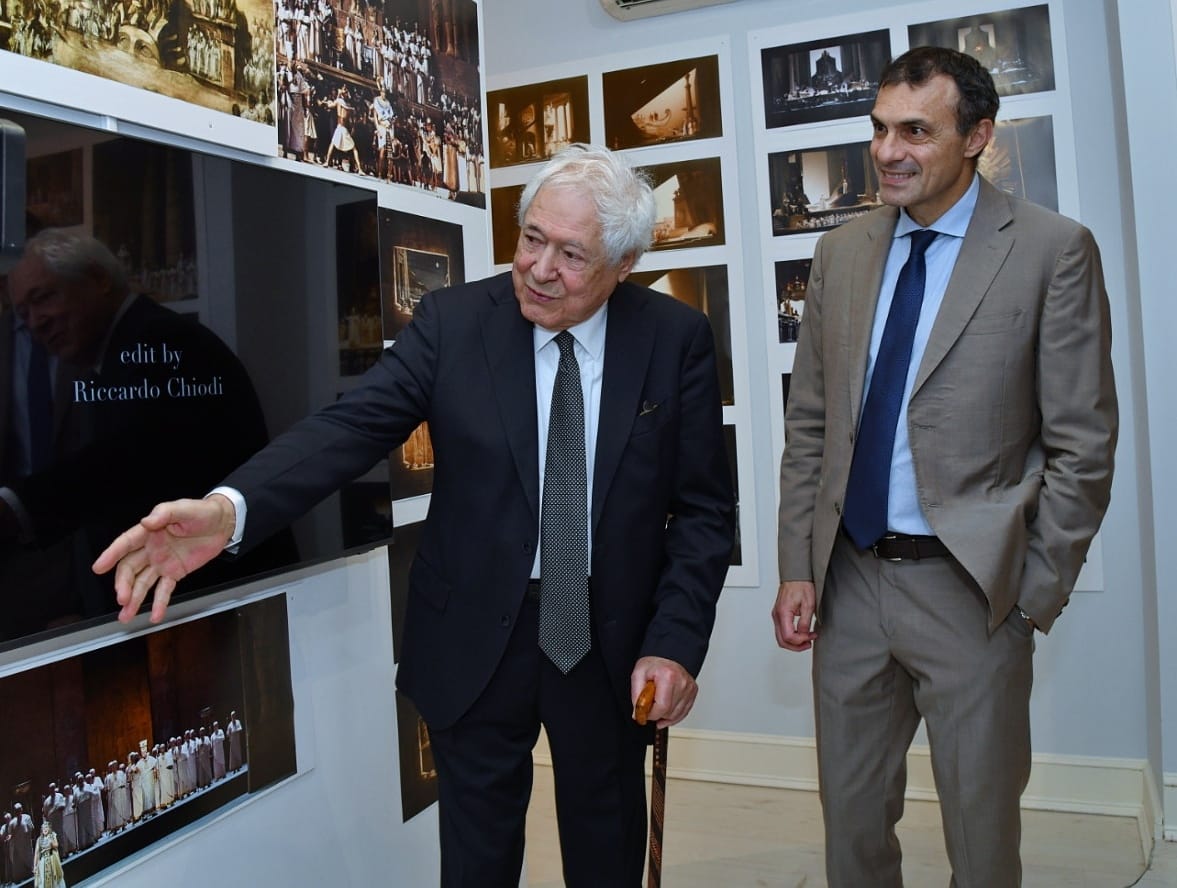
Maestro Gianni Quaranta with Italian Consul General in New York Min. Plen. Fabrizio Di Michele (Foto credit: Vito Catalano)
PRESS REVIEW